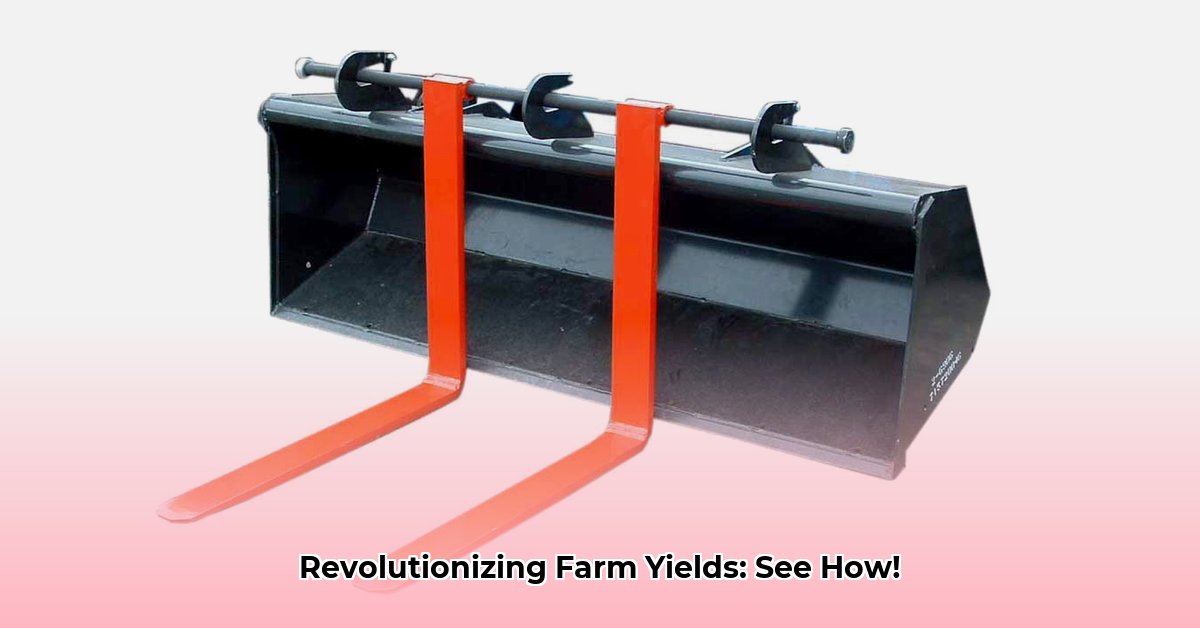
Choosing the Right Fork for Your Tractor Bucket
Selecting the right tractor bucket fork is crucial for maximizing efficiency and minimizing environmental impact. This decision hinges on several key factors: material selection, size and design, and compatibility with your existing equipment. For more information on specialized forks, check out this helpful resource.
Material Matters: Steel remains a dominant choice, prized for its strength and longevity. However, the steel production process is energy-intensive. Recycled steel forks represent a significantly more sustainable alternative, reducing the environmental burden associated with virgin steel production. Emerging composite materials also offer a potentially greener option, although their long-term durability in demanding agricultural conditions warrants ongoing assessment. Consider the life cycle of each material—from manufacturing to disposal—to determine its overall sustainability. A longer lifespan translates to less frequent replacement, reducing the environmental impact over time. How can you reduce waste throughout your operation?
Size and Design: Finding the Right Fit: Fork size directly impacts handling capacity. Larger forks move more material per load but may sacrifice maneuverability in confined spaces. Consider the types of materials you'll handle: hay bales require different designs than loose manure or palletized goods. Tines can also be designed for specific tasks, such as handling palletized goods, which may differ significantly from moving loose materials. Will you have to work in tight spaces? Does your farm use many small or large loads? A well-designed fork can significantly boost efficiency. But, choosing the right one requires careful consideration.
Attachments: Expanding Your Fork's Capabilities: Additional attachments like clamps or specialized tines can further enhance versatility. These additions increase productivity by simplifying tasks and potentially reducing reliance on other equipment. However, they add to the initial cost and increase the complexity of maintenance and repair. What additional attachments would significantly reduce your operational time?
Safe Operation: Prioritizing Safety
Safe operation of tractor bucket forks is paramount. Implementing these safety protocols minimizes risks and protects both operator and equipment.
Pre-operation Check: Always inspect the fork before each use, checking for damage, loose fasteners, and wear indicators. This simple step is essential for preventing accidents and operational failures.
Weight Capacity: Never exceed the fork's rated weight capacity. Overloading can lead to structural failure. Distribute weight evenly to maintain balance and avoid instability.
Situational Awareness: Maintain a clear view of your surroundings. Identify and avoid potential hazards such as obstacles, other personnel, or livestock. Smooth, controlled movements are crucial in avoiding accidents.
Regular Maintenance: Regular lubrication and inspections are vital for maintaining safety and extending the lifespan of your fork. Regular servicing directly impacts the equipment's safety and operational efficiency. What is your current maintenance strategy?
Maintenance and Repair: Keeping Your Fork in Top Shape
Regular maintenance is critical for prolonging the fork's operational life and ensuring safety.
Cleaning: After each use, clean the fork thoroughly, removing dirt, mud, and debris to prevent corrosion and ensure smooth operation.
Lubrication: Regularly lubricate moving parts to reduce friction, wear, and tear. This simple measure significantly extends the fork's lifespan.
Inspection: Periodically inspect for damage like cracks, bends, or loose connections. Addressing minor issues promptly prevents costly repairs later.
Repair: Minor repairs can often be performed on-site, saving time and money. Refer to the manufacturer's manual for guidance. If you are unable to perform the repair, consult a qualified mechanic.
Sustainability Considerations: The Eco-Friendly Approach
Sustainable practices are not merely environmentally responsible; they offer significant long-term economic advantages.
Material Selection: Prioritize recycled or sustainably sourced materials to minimize your carbon footprint. This also supports responsible manufacturing practices.
Durability and Lifespan: A durable fork translates to fewer replacements, saving both resources and money. A longer lifespan dramatically reduces the environmental impact of manufacturing. How can you extend the lifespan of your current equipment?
Responsible Disposal: At the end of its service life, ensure proper disposal or recycling of the fork to minimize waste and environmental harm.
Cost Analysis: The Economics of Sustainability
The total cost of ownership (TCO) extends beyond the initial purchase price. Consider these factors:
Initial Investment: Prices vary widely depending on material, features, and manufacturer. Compare options carefully, considering both upfront costs and long-term expenses.
Ongoing Maintenance: Regular maintenance reduces repair costs and extends the fork's lifespan. Preventative maintenance reduces the total cost of ownership.
Lifespan: A longer-lasting fork results in significant long-term cost savings compared to frequent replacements. How much would it cost to replace your fork every year?
Comparing Fork Options: A Quick Overview
| Feature | Steel Fork | Recycled Steel Fork | Composite Fork |
|---|---|---|---|
| Initial Cost | High | Moderate | Moderate to High |
| Durability | High | Moderate | Moderate to High (material dependent) |
| Environmental Impact | High (steel production) | Lower (recycled materials) | Moderate (material dependent) |
| Maintenance | Moderate | Moderate | Low to Moderate (material dependent) |
| Lifespan | High | Moderate | Moderate to High (material dependent) |
The optimal choice depends on individual needs and priorities. By carefully weighing these factors, farmers can select the most sustainable and cost-effective option for their operation. The field of sustainable materials is constantly evolving; stay informed about emerging technologies and materials to make informed decisions.